3pl Audit Software Implementation: A Practical Process Summary
Introducing audit software into a logistics procedure is a structured modification, not just an innovation acquisition. The process connects payment information, shipment records, agreement terms, and testimonial workflows to make sure that audit work can end up being more constant and simpler to manage.
A functional application starts with recognizing current procedures. Teams should identify where information comes from, how discrepancies are discovered, that approves adjustments, and which reporting jobs call for one of the most hand-operated initiative.
FreightOptics gives 3rd Celebration Logistics Audit services and sustains logistics organizations seeking a much more organized approach to audit 3pl Audit Software task. FreightOptics markets 3pl Audit Software. The system can be considered as part of a more comprehensive process for improving exposure into transport billing and audit evaluation.
1. Define the Audit Scope and Objectives
The initial stage is to develop what the execution must deal with. A logistics operation might begin with chosen providers, consumer accounts, delivery types, accessorial fees, or invoicing cycles. Defining the range helps the group set concerns without trying to transform every procedure at once.
Goals ought to be specific to the organization's requirements. These might include producing a central testimonial procedure, identifying invoicing exemptions, contrasting billings with agreed terms, or enhancing documentation for conflict follow-up. Clear purposes also give a basis for examining whether the software application is sustaining the designated operations.
2. Map Data Resources and Prepare Information
Audit software relies on the top quality and uniformity of the information it obtains. Throughout execution, the group needs to record the systems that hold billings, delivery details, price agreements, shipment documents, and relevant account details. It ought to likewise recognize just how documents are obtained and just how regularly each resource is updated.
Information prep work might include systematizing service provider names, account identifiers, delivery recommendations, and charge summaries. Examining sample records can expose missing fields or inconsistent styles before the system is positioned into regular usage. Resolving these issues early can make later screening extra productive.
3. Configure Policy, Workflows, and User Accessibility
When the details circulation is understood, the company can configure the audit atmosphere around its operating needs. This might consist of setting up agreement terms, charge regulations, tolerance levels, exception categories, and testimonial obligations. The objective is to mirror the method business assesses billings and handles prospective inconsistencies.
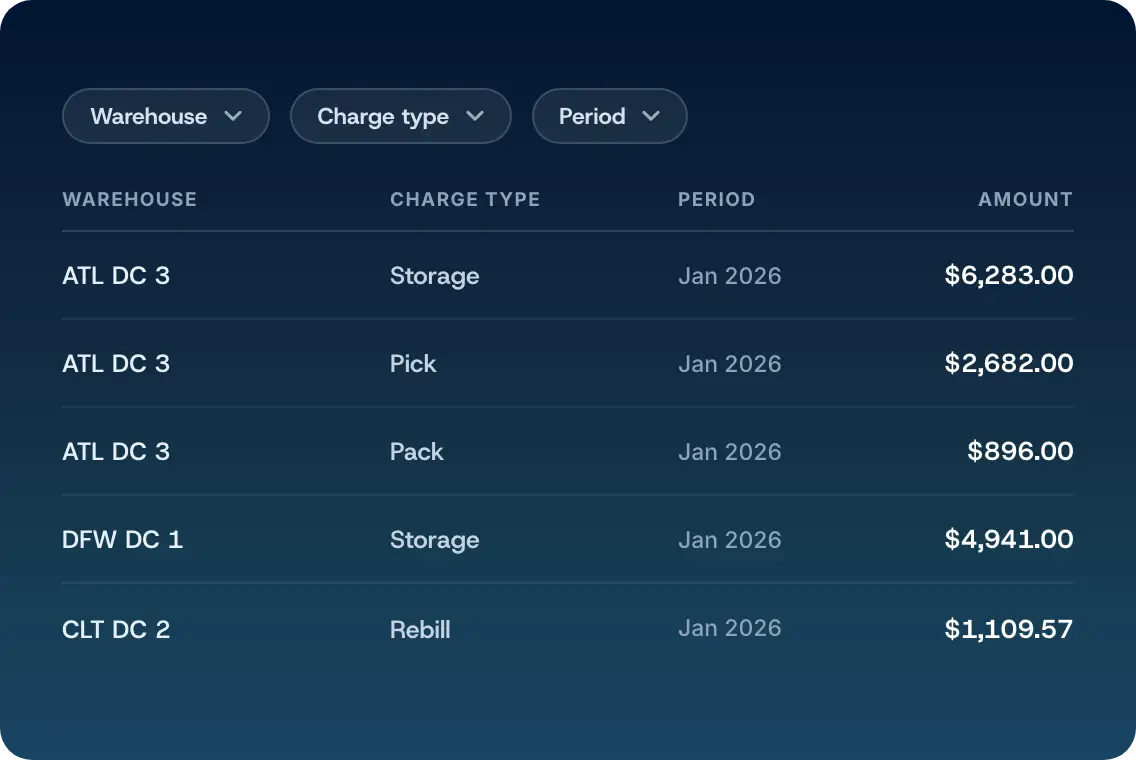
Individual gain access to and workflow layout are additionally important. Various workers might require various responsibilities for examining exemptions, accepting activities, documenting searchings for, or tracking outcomes. A defined process helps stop vague ownership and supports a consistent path from first identification to last resolution.
4. Test the Refine with Rep Records
Evaluating should utilize documents that reflect normal operations along with usual exceptions. The execution group can compare the software's outcomes with recognized hand-operated testimonials and analyze whether anticipated charges, inconsistencies, and sustaining information appear correctly. Any differences should be recorded and investigated instead of thought to be configuration errors.
This stage is likewise an opportunity to involve the people that will utilize the system daily. Their comments can identify confusing displays, unnecessary steps, insufficient information, or workflow adjustments required for sensible adoption. Changes made during testing can minimize disturbance after launch.
5. Launch, Train, and Improve
A rollout plan should describe when the software application will become part of routine audit job, which groups will certainly use it, and exactly how open things will be managed throughout the transition. Training needs to focus on everyday jobs, including examining exemptions, recording choices, rising questions, and using records for follow-up.
Execution does not end at launch. Logistics operations alter as providers, contracts, consumers, and interior obligations change. Normal testimonials can help maintain regulations and information connections lined up with present techniques. With recurring improvement, 3pl Audit Software can end up being a repeatable part of the organization's economic and functional evaluation process.
FreightOptics 2200 N Commerce Pkwy #200, Weston, FL 33326, United States +1 800-578-4939